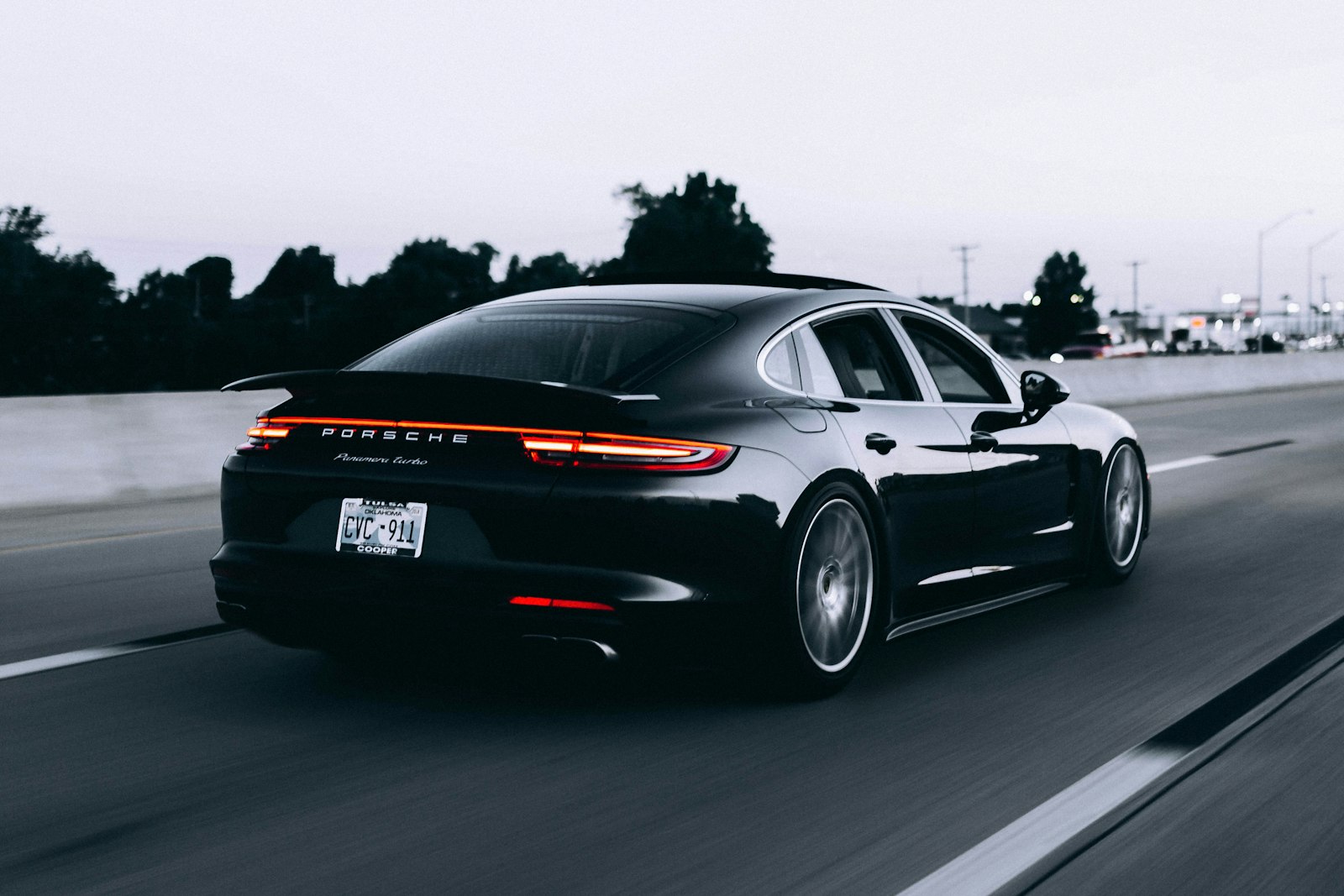
The Cost Of Replacing A Vehicle Has Changed
According to S&P Global Mobility, the average age of vehicles on American roads has reached approximately 12.8 years, the highest level ever recorded.
Vehicles have become significantly more expensive, while financing costs remain elevated compared to the ultra-low-rate environment buyers became accustomed to before 2020.
For many families, replacing a vehicle is no longer an automatic decision. It has become a financial calculation.
And more people are deciding to keep what they already own.
Modern Vehicles Simply Last Longer
Vehicles are more durable than they used to be.
Advances in engine design, transmission technology, corrosion protection, manufacturing quality, and maintenance schedules have dramatically extended vehicle lifespan.
Many vehicles routinely exceed 200,000 miles with proper maintenance.
If a vehicle remains reliable, paid off, and capable of meeting daily needs, replacing it becomes harder to justify.
Used Vehicle Prices Remain Surprisingly Strong
Many buyers expected used vehicle prices to collapse after the inventory shortages of the pandemic years.
According to Cox Automotive's Manheim Used Vehicle Value Index, wholesale used vehicle values remain well above historical norms despite fluctuations in supply and demand.
Affordable used vehicles continue attracting significant buyer interest.
The result is a market where even older vehicles continue holding value better than many analysts expected.
Trucks Continue To Be Market Leaders
Models such as the Toyota Tacoma, Ford F-150, Toyota Tundra, Chevrolet Silverado, and GMC Sierra continue benefiting from strong demand across both personal and commercial buyers.
Unlike many vehicles that serve a single purpose, trucks often fill multiple roles including towing, hauling, commuting, and travel.
That versatility helps support resale values and long-term demand.
For buyers focused on total ownership cost, resale value may be just as important as the original purchase price.
Certified Pre-Owned Continues To Grow
As affordability becomes a larger concern, more buyers are turning toward certified pre-owned vehicles.
These programs allow consumers to purchase newer vehicles with manufacturer-backed inspections and warranty coverage while avoiding the steepest depreciation associated with buying new.
For many shoppers, certified pre-owned inventory now represents the middle ground between affordability and peace of mind.
It is a trend many manufacturers are expected to continue expanding.
The VehiDux Take
For years, the automotive industry trained buyers to focus on one number: the monthly payment.
That mindset appears to be changing.
Today's buyers are spending more time researching ownership costs, reliability records, maintenance expenses, fuel economy, insurance costs, and resale value.
The question is no longer 'How soon can I replace this vehicle?' but rather 'How long can I keep it?'
That shift may ultimately become one of the most important automotive trends of the decade.
What VehiDux Is Watching
Used vehicle inventory levels.
Truck resale values.
Auto loan interest rates.
Certified pre-owned growth.
Hybrid vehicle demand.
Long-term ownership trends.
Americans are becoming more deliberate vehicle owners, and that trend could reshape the automotive market for years to come.
Sources And Disclosure
S&P Global Mobility: Average Age of Vehicles in the U.S. Reaches Record 12.8 Years.
Cox Automotive: Manheim Used Vehicle Value Index.
Kelley Blue Book Industry Reporting.
Wall Street Journal Automotive Reporting.
This article was written by VehiDux using publicly available industry reporting, manufacturer data, and market analysis. All opinions and analysis are those of VehiDux.
Discussion
Comments coming soon.
We are building a cleaner way for VehiDux readers to discuss articles, compare experiences, and ask better buying questions.